June–August
The midnight sun allows for late-night sightseeing to avoid peak hours. Major events like the National Day celebrations occur in June.
A compact southwest Iceland loop linking Þingvellir, the Geysir field and the Gullfoss waterfall in a single day.
Explore AttractionsThe rift at Þingvellir widens by about two centimetres each year, which means the Golden Circle is one of the few places on earth where a visitor can walk, quite literally, in the gap between two continents.
The North American and Eurasian plates diverge along a visible fissure, and the ground here has been drifting apart for longer than any parliament has met upon it. Yet a parliament did meet upon it, and that pairing of raw geology and human record is what gives the region its particular weight.
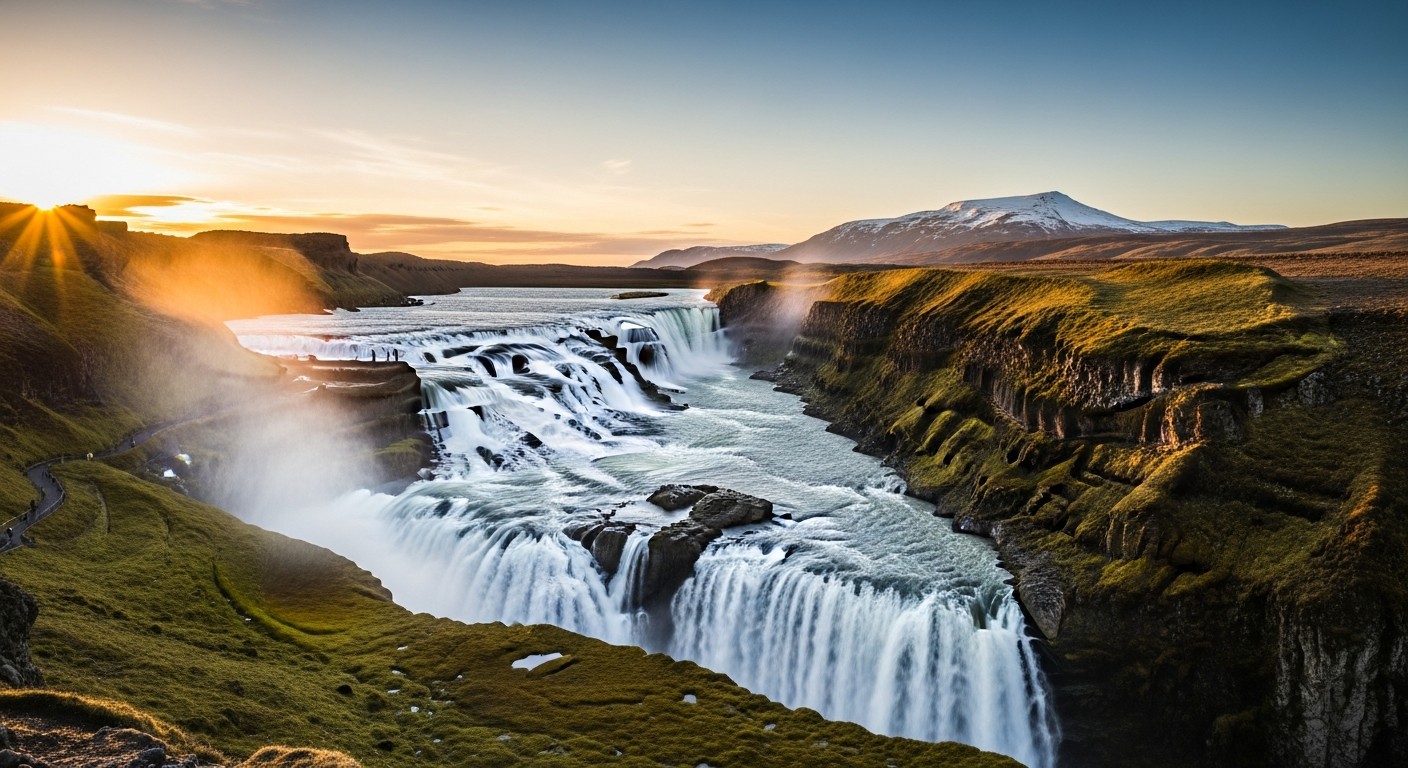
What shaped the loop is water and fire in equal measure. Glacial melt from the interior feeds the Hvítá river, which carves the canyon at Gullfoss and drops in two broad stages toward the lowlands. To the northeast, the Haukadalur geothermal field vents steam through a scatter of pools, and Strokkur throws a column of boiling water skyward on a dependable rhythm. The older Great Geysir, now largely dormant, lent its name to every geyser on the planet. Golden Circle Tours draw their appeal from this concentration: three distinct forces of the earth, arranged within a short arc of road.
Today the region defines itself less by any single site than by how the sites converse. Þingvellir supplies the deep time and the constitutional memory; the geothermal field at Geysir supplies the spectacle; Gullfoss supplies the scale. Around them cluster quieter draws — the clear fissure water at Silfra, the small-group routes that thin the crowds, the private guides who read the landscape aloud. Snowmobile excursions onto nearby ice and northern-lights combinations extend the loop into the darker months, and Golden Circle Tours tickets now bundle these variants with increasing ease.
The destination suits a particular traveller: the one with a day rather than a fortnight, who wants the essential grammar of Icelandic landscape before venturing further. It rewards photographers chasing the low arctic sun, families managing short attention spans across short distances, and geology enthusiasts who came for the plates and stayed for the steam. A Golden Circle Tours tour compresses centuries of continental drift and a nation's founding into a single loop of tarmac. Golden Circle landmarks reward patience and repetition — the same Strokkur eruption looks different at every hour — and a well-timed Golden Circle Tours tours schedule can turn a checklist into a study of the island's making.
“The rift widens by about two centimetres each year, and a visitor can walk, quite literally, in the gap between two continents.”
Walk the fissure where two continental plates diverge inside a UNESCO-listed national park.
Watch the reliable Haukadalur spout erupt on a cycle of roughly every ten minutes.
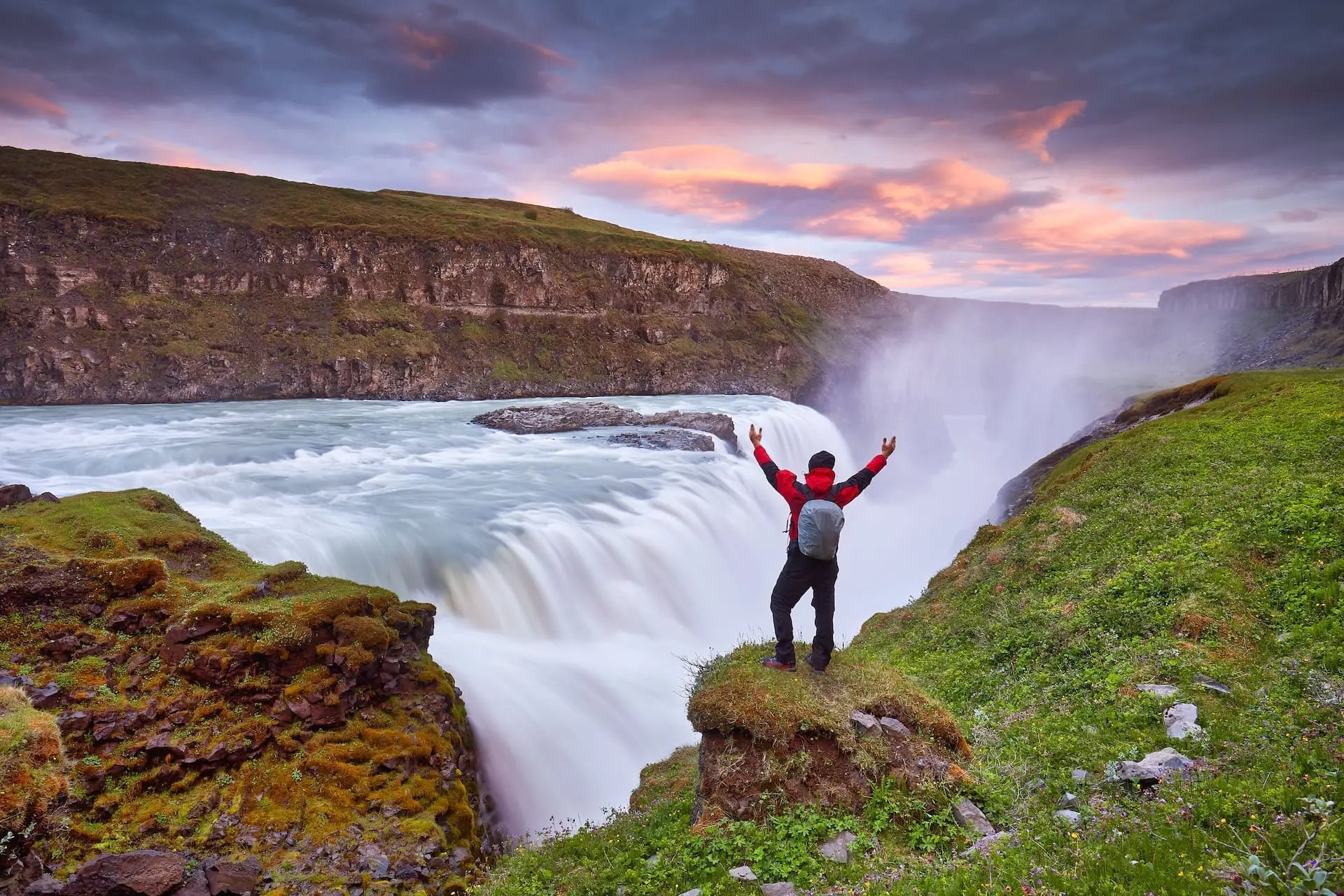
Stand above a two-tier glacial cascade thundering into the Hvítá river canyon.
Golden Circle gathers geysers, tectonic rifts, and thundering waterfalls within a compact loop east of Reykjavík. The tours listed here differ not in which sights you visit but in how you see them — private vehicles offer flexibility, small groups suit solo travelers and pairs, snowmobile extensions add elevation gain above the rift valley, and Silfra snorkeling takes you beneath the surface of the continental divide. Pick the format that fits your group size and pace.
Small Group
Capped group sizes mean closer access to Strokkur's eruption cone, more time at each stop, and a guide who can answer questions at the site rather than shouting over a crowd.
Adventure Tour
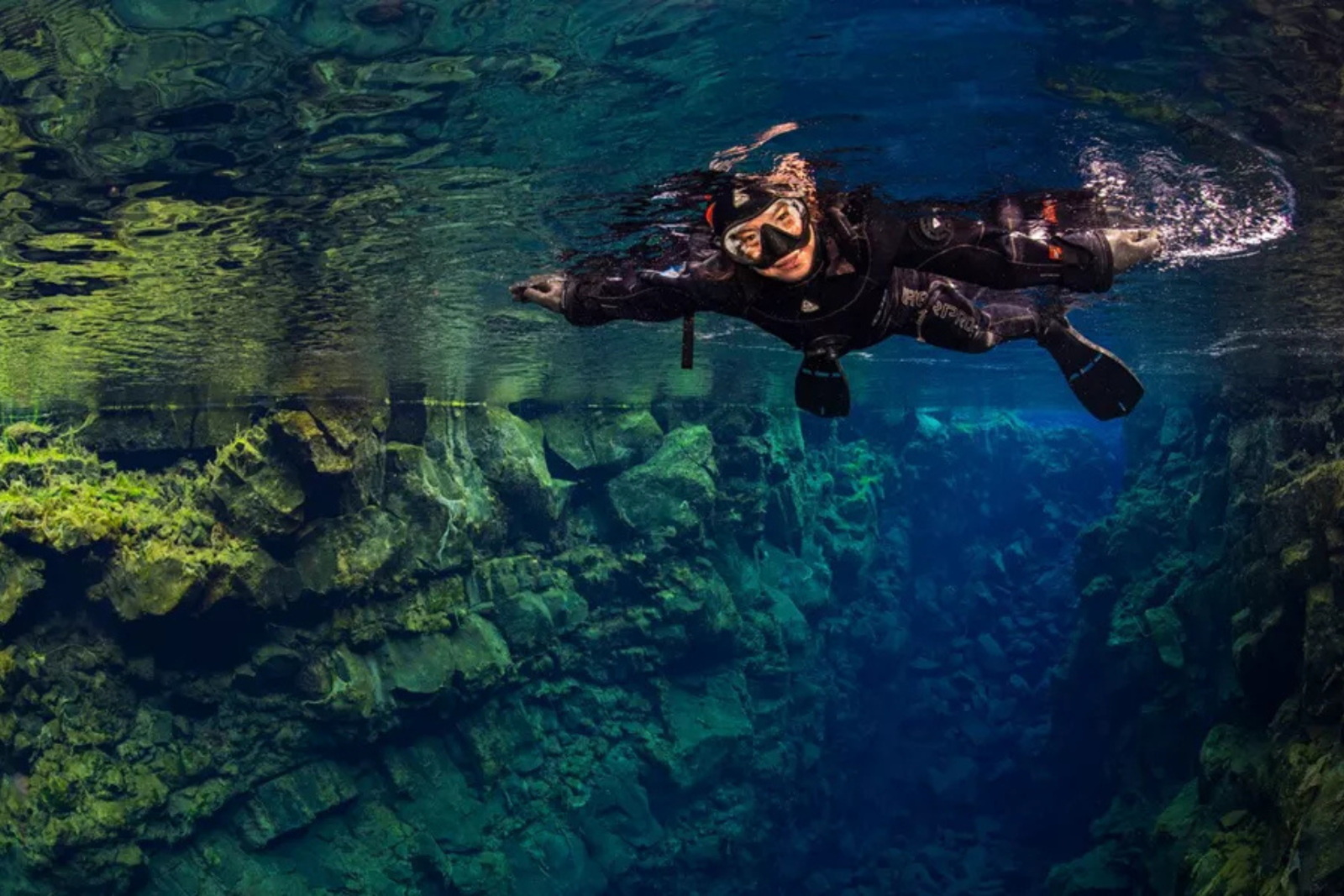
Drift through the Silfra fissure between the North American and Eurasian tectonic plates in water with 100-meter visibility — the geology is below the surface, not above it.
Combo Tour
Extend the loop south to black-sand beaches, glacier lagoons, and sea-carved basalt columns — two of Iceland's most distinct landscapes covered in one long day.
Combo Tour
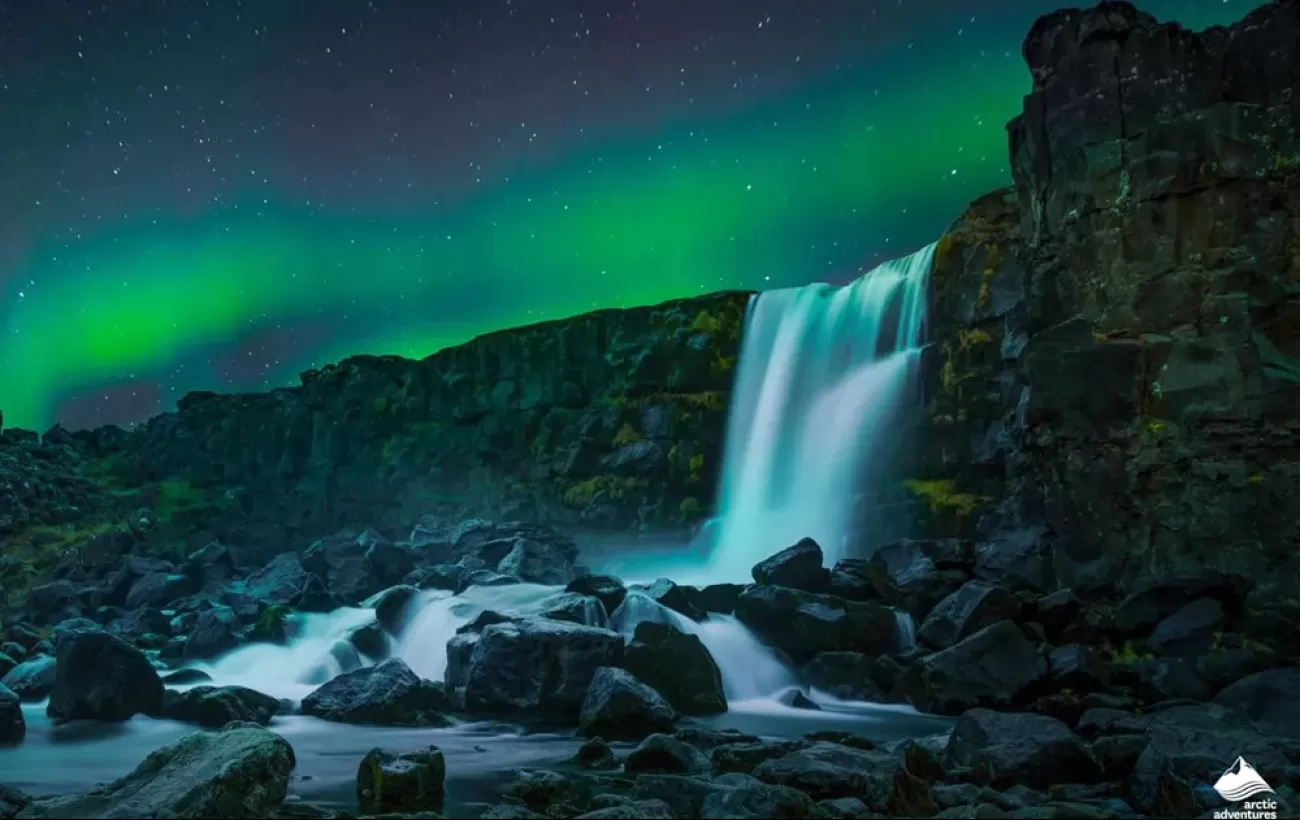
See the Golden Circle by day and return after dark for aurora hunting — guides track cloud cover and geomagnetic forecasts to position the group under open sky.
Adventure Tour
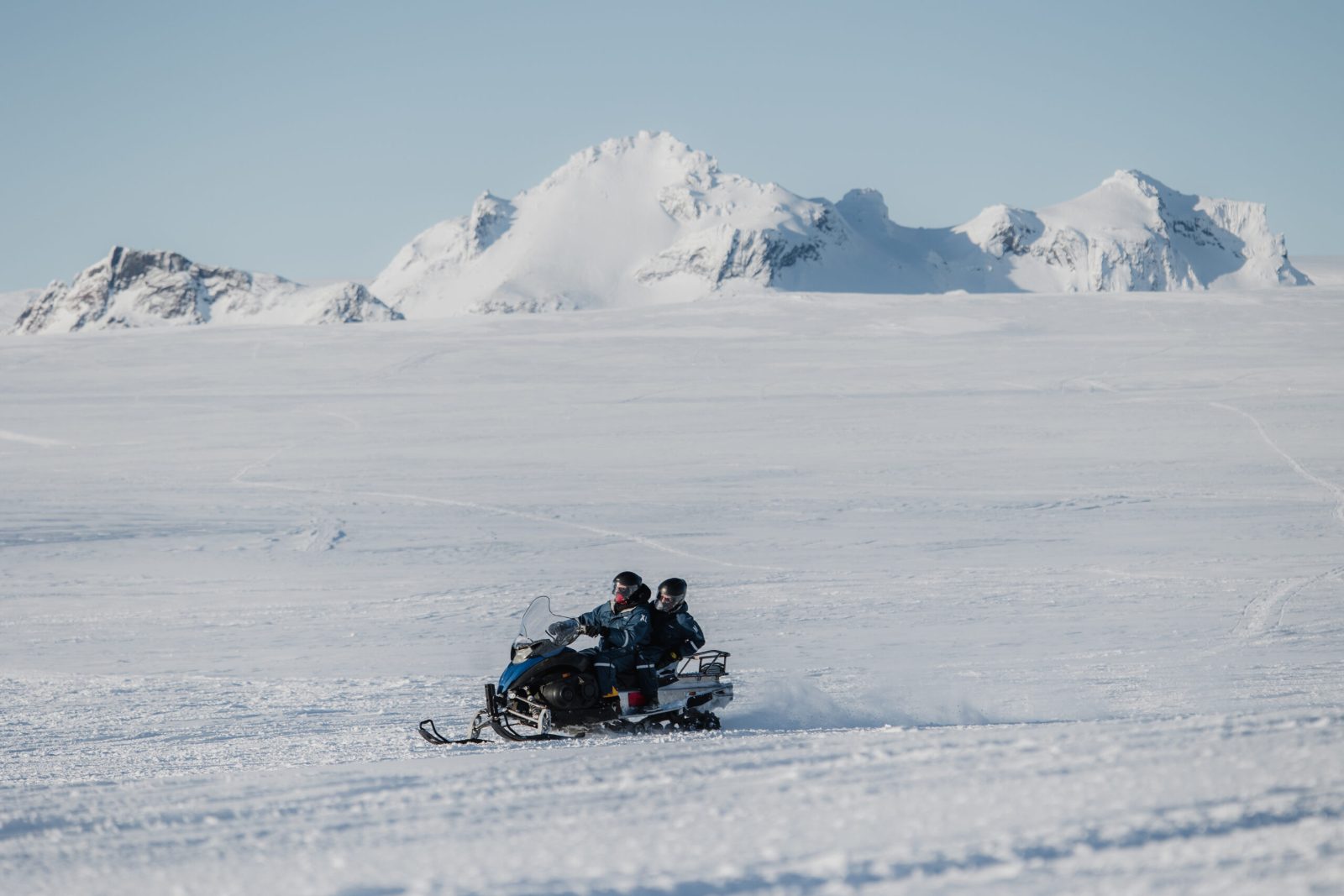
Combine the classic circuit with a snowmobile ride on Langjökull glacier — engine noise, ice fields, and a vantage point above the lava plains most visitors never reach.
Private Tour
Travel at your own schedule with a dedicated guide and vehicle — stop longer at Geysir, linger at Gullfoss, and skip the crowds at Þingvellir National Park.
The Golden Circle links three headline sites—Þingvellir, Geysir, and Gullfoss—into a loop that flexes from one packed day to a three-day run down the South Coast. Pick your length by how much you want to add: hot springs, snorkeling, or a coastal extension. Below are three route templates you can follow stop by stop.
Walk the Almannagjá rift between two tectonic plates; budget 90 minutes for the marked path from the visitor center to the Öxarárfoss viewpoint.
Watch Strokkur erupt every 6–10 minutes and loop the boardwalk trail; 45 minutes covers the active vents.
Take both the upper and lower viewing platforms of the two-tier falls; the lower path gets slick, so wear grippy shoes.
If you would rather not drive, a small-group tour runs the same three sites with hotel pickup and a fixed return time.
View guideStart with the rift walk, then linger at the Silfra fissure overlook before the crowds build; allow two hours.
Snorkel the glacial fissure in a drysuit between the plates; sessions run about 30–40 minutes in water and book out early.
View guideCover both remaining headline stops back to back; 90 minutes is enough for the erupting vents and the falls.
Wind down in a geothermal pool near Flúðir; bring a towel and plan on an hour in the water.
Hit any of the three core sites you skipped, then point south toward the coast road by late morning.
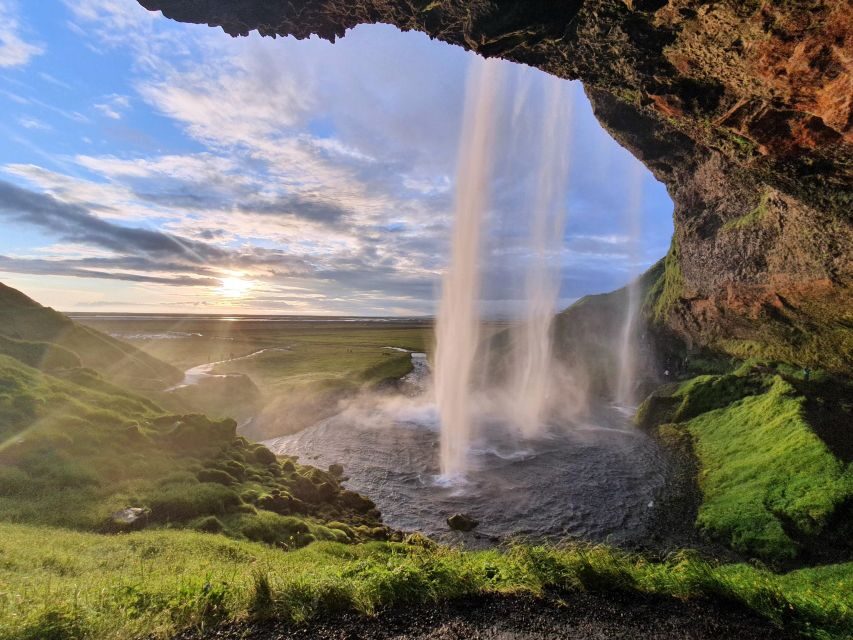
A combined tour extends the loop to Seljalandsfoss and Skógafoss waterfalls; the full day runs long, so start early.
View guideWalk the basalt columns and watch the surf from a safe distance up the slope; 45 minutes covers the main viewpoints.
A private guide can tailor the return route and pacing if you want to add or drop stops on the way back.
View guideNavigating the Golden Circle by rental car offers maximum schedule flexibility, though winter driving requires strict attention to ice and wind alerts on Safetravel. Guided coach and small-group excursions provide a stress-free alternative that eliminates road safety concerns.
Strætó public buses do not run a direct loop, requiring transfers at Selfoss on route 51 and route 72 to reach Geysir. For a seamless route, travelers book private or group coach excursions like the Golden Circle Direct.
While local taxis can be arranged via the Hreyfill app for tailored private tours, they represent an expensive option for touring the loop. Drivers typically offer fixed day rates for the route, but meters start at a standard base rate.
Cycling the paved loop is possible during the June–August peak season, though narrow roads require extreme caution. Cyclists can rent touring bicycles in Reykjavík or bring their own to tackle the steep climbs.
From the airport: From Keflavík International Airport (KEF), the Flybus offers a direct transfer to central Reykjavík in 45 minutes for 3,999 kr. Alternatively, you can pick up a rental car directly at the terminal to begin your journey.
The peak season of June to August offers the best travel window, providing up to 21 hours of daylight and the most stable driving conditions. Alternatively, visiting in winter provides a chance to view the northern lights against snowy landscapes despite limited daylight.
The midnight sun allows for late-night sightseeing to avoid peak hours. Major events like the National Day celebrations occur in June.
Daylight hours decrease quickly, but autumn foliage colors the landscape. The northern lights begin to appear on clear nights.
Daylight shrinks to four hours in December, requiring careful scheduling. Icy roads make driving challenging, but snow-covered scenery and northern lights viewing are major highlights.
Waterfalls swell with meltwater as the region transitions to summer. Visitors experience a mix of winter conditions early on and longer days by May.
Exploring the Golden Circle is notoriously expensive, but careful planning helps manage the high baseline costs typical of Icelandic travel. While major natural highlights like Geysir and Gullfoss are free, visitors must factor in parking fees, select crater entry tickets, and dining expenses.
Daily budget: A realistic daily budget ranges from 15,000 kr for self-driving budget travelers packing their own lunches to 30,000 kr per person for those booking mid-range guided tours and enjoying sit-down dinners.
Dining along this route highlights Iceland's geothermal capabilities and agricultural heritage. Travelers can sample unique items cooked by volcanic heat alongside fresh greenhouse-grown produce.
This sweet rye bread is baked underground for 24 hours in hot volcanic sand. Sample it fresh with butter at Laugarvatn Fontana's geothermal bakery.
A warm soup served with a buffet of fresh-baked bread and cucumber salsa. It is served inside the active geothermal greenhouses at Friðheimar in Reykholt.
Rich ice cream made directly from the milk of the farm's own dairy herd. Order a scoop at the Efstidalur II farm cafe, where a window overlooks the cow barn.
A classic Icelandic lamb and root vegetable broth served to warm travelers. Try a bowl at the Gullfoss Panorama Restaurant located next to the waterfall.
While the major sights draw the largest crowds, the Golden Circle region contains several quieter stops. These spots showcase geothermal features, historic shelters, and secluded waterfalls just off the main road.
Fed by the Brúará River, this waterfall is known for its vibrant light blue color, created by light reflecting off fine volcanic sediment. Visitors can reach it via a short trail from a nearby parking lot.
These historic man-made caves in the soft tuff rock were inhabited by Icelandic families only a century ago. Today, travelers can join short guided tours to explore the restored living spaces.
A green ravine that contrasts with the surrounding volcanic desert. The valley features small waterfalls, basalt formations, and clear streams.
A small geothermal spring on private farmland featuring a rustic stone-walled changing hut. The pool offers a quiet soak in warm natural waters surrounded by pastures.
Also known as Vatnsleysufoss, this broad waterfall on the Tungufljót River is located near the main route. It includes a fish ladder built to help salmon navigate upstream.
Choosing where to stay depends on whether you prefer the convenience of the capital's dining scene or the early morning serenity of the rural loop. Staying overnight in the countryside allows you to beat the tour buses at the major sights.
Suits those wanting diverse restaurants, bars, and shopping. It requires commuting to the circle daily, but serves as a convenient, fully-serviced base.
A peaceful lakeside village offering local guesthouses. It sits directly on the route, letting you beat the daytime crowds, though dining options are limited.
Ideal for travelers seeking a slower pace near the oldest natural pool in Iceland. Accommodation is primarily rustic cabins, but it is farther from the main highway.
Best for premium hotels situated steps from the geothermal area. You get immediate access to the geysers at sunrise, though prices are high and it lacks local town life.
The Golden Circle features Iceland's most stunning natural wonders, including powerful geothermal geysers, majestic waterfalls like Gullfoss, and the historic rift valley of Thingvellir National Park.
Start with the classic three stops: Thingvellir, Geysir, and Gullfoss. If you have extra time, consider adding nearby attractions like the Kerid Volcanic Crater, the Secret Lagoon, or the Friðheimar tomato farm based on your interests.
To experience the sites in the best light, aim for early morning or late afternoon. Summer offers the unique midnight sun for late exploring, while winter provides breathtaking snowy landscapes and chances to see the Northern Lights.
While the main natural sites themselves are free to enter, it is highly recommended to book guided day tours, transfers, and tickets for added experiences like geothermal baths and snowmobiling well in advance.
Yes, the main attractions are highly accessible. Gullfoss, Geysir, and Thingvellir have well-maintained, paved pathways and designated viewing decks that accommodate wheelchairs and families with strollers.
Renting a car offers the most flexibility to explore at your own pace. Alternatively, there are numerous guided bus, minibus, and super jeep tours departing daily from Reykjavik that provide stress-free transportation.
Many operators offer excellent combination tours that bundle the classic Golden Circle route with extras like whale watching, snorkeling in Silfra, or admission to the Blue Lagoon at a discounted combined rate.
To beat the large tour buses, try starting your journey very early in the morning (before 8 AM) or later in the evening during the summer months when daylight is practically endless.
A standard Golden Circle route takes about 6 to 8 hours to complete from Reykjavik. However, if you plan to hike, dine, or soak in thermal pools, you should allocate a full 10-hour day.
Choose from amazing attractions and create unforgettable memories in this beautiful city
Book Your Experience Now